Category

Category: The Future

AI & Law

Most contract disputes start with a question nobody thought to ask before signing. Proactive contract intelligence changes that: AI surfaces risks, missing clauses, and hidden obligations automatically, before a signature locks them in. This is how Legal Chain turns a document into a source of answers.

AI & Law

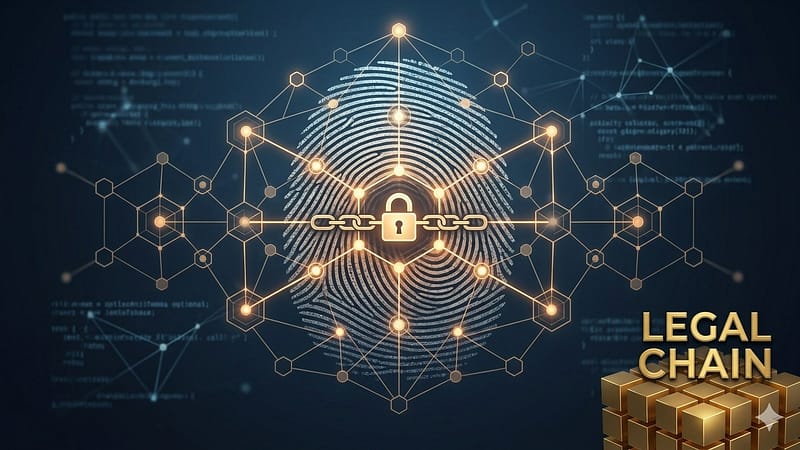
Secure your legal future with the power of cryptographic identity. Legal Chain merges biometric-style anchors with blockchain technology to create immutable audit trails. By linking human intent to decentralized node networks, we provide a new standard of defensibility, ensuring your most critical documents remain unalterable and mathematically verified.

AI & Law

Blockchain is the new trust layer for the legal industry. By acting as a global digital notary, it eliminates the need for embassies and physical couriers, allowing for instant international document certification. Discover how Legal Chain uses decentralized protocols to provide "nuclear-key" security and seamless cross-border legal connectivity.

AI & Law

Stop letting risky contracts slip through the cracks. By adopting AI-driven contract risk analysis, your team can instantly generate a contract risk score, flagging dangerous clauses before signing. Streamline your legal operations, ensure consistency, and accelerate deal velocity. Join our Free Beta at LegalChain today.

AI & Law

Blockchain technology is transforming how legal documents are secured and verified. By creating tamper-evident records and immutable timestamps, blockchain can act as a digital trust layer for contracts and agreements. As global transactions increasingly move online, blockchain may evolve into a modern form of notarization—especially for cross-border agreements and digital legal workflows.

Learning

Legal AI is entering a critical turning point. In 2026, it’s no longer about experimenting with chat-based tools—it’s about deploying AI as a governed, operational system embedded directly into real legal workflows. While the upside is significant—faster contract cycles, clearer risk visibility, and greater consistency—the risks are just as real: hallucinated outputs, rising regulatory pressure, data privacy failures, and opaque vendors moving faster than legal teams can safely evaluate. This guide breaks down what legal teams, founders, and operators need to watch for in 2026—from workflow-based AI and verification standards to ethics, regulation, vendor risk, and auditability—and how to adopt legal AI responsibly without sacrificing trust or defensibility.