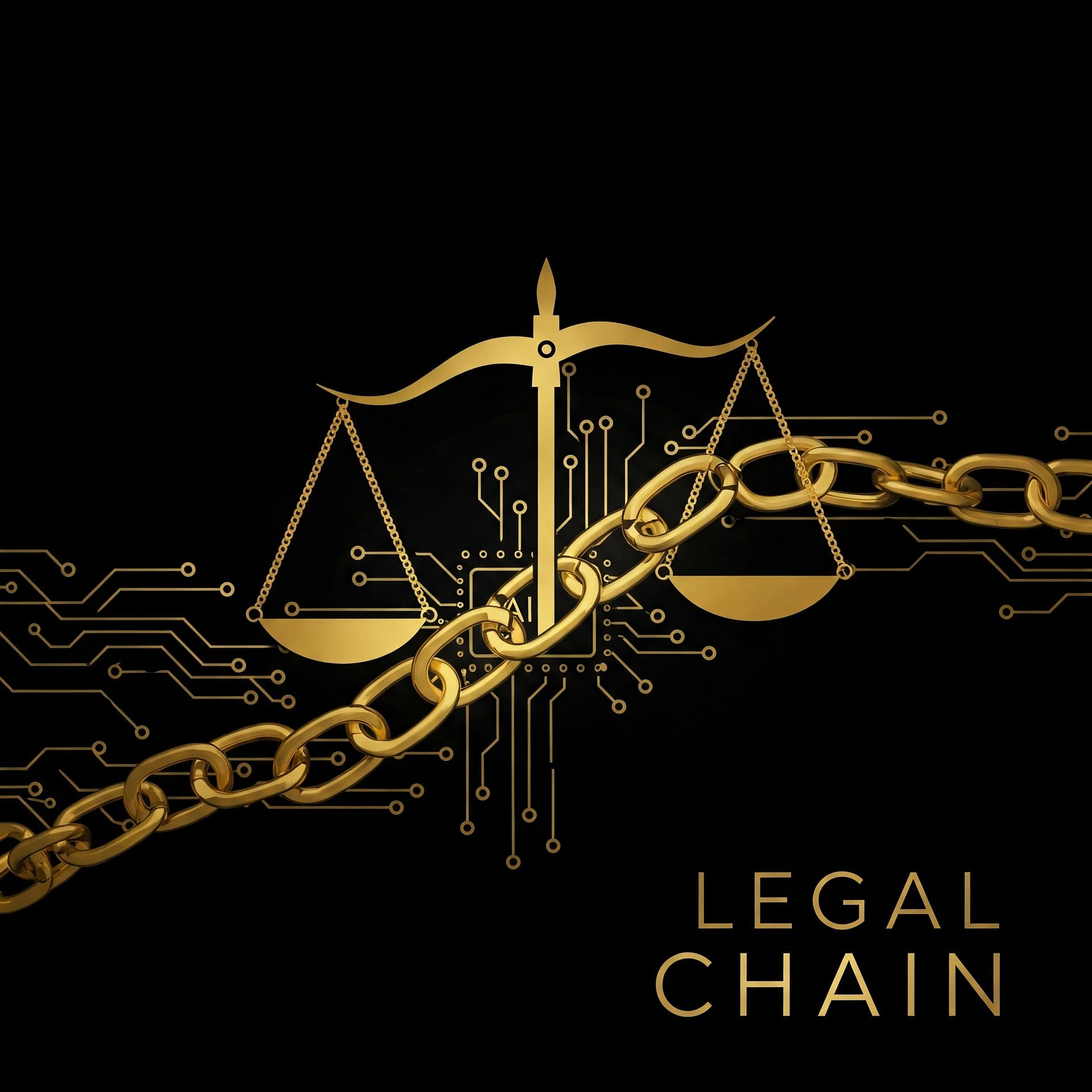
As 2026 approaches, the legal industry stands at the precipice of a transformation arguably more profound than any since the printing press: the seamless integration of Artificial Intelligence (AI) and Blockchain technology. This is no longer a futuristic concept; it is the present, redefining everything from how contracts are drafted to how justice is administered. Firms that embrace this monumental shift will lead; those that hesitate risk being rendered obsolete.
AI: The New Associate in Every Law Firm
Artificial Intelligence is moving past pilot projects and becoming core legal infrastructure. For 2026, AI is not just about efficiency; it’s about changing the very nature of legal work.
Enhancing Efficiency and Predictive Power
- Automated Research and Due Diligence: Generative AI tools are drastically reducing the time spent on legal research, case law analysis, and document review. Tasks that once required days of junior associate time are now completed in minutes.
- Predictive Analytics: AI models analyze vast troves of historical case data to offer data-backed litigation insights and predict potential case outcomes. This moves legal strategy from experienced intuition to a scientifically informed approach.
- Document Creation: From initial drafts of contracts and legal briefs to deposition summaries, AI accelerates the creation of accurate, consistent, and compliant documents, minimizing human error.
Shifting the Lawyer’s Role
The “grunt work” that defined the early years of a legal career is being absorbed by AI. This does not replace the lawyer; it elevates them. The focus shifts to high-value activities:
- Strategic Analysis
- Client Counseling and relationship building
- Crafting Novel Legal Arguments
- Exercising Human Judgment and Ethical Oversight
Blockchain: Building the Foundation of Immutable Trust
Blockchain—the decentralized, immutable ledger—solves the critical issues of trust, transparency, and security in a digital legal environment.
Securing Documents and Records
- Tamper-Proof Audit Trails: Blockchain provides an immutable record of document ownership, access, and changes. This is invaluable for eDiscovery, intellectual property management, and regulatory compliance.
- Secure Document Management: Sensitive legal documents can be stored with unparalleled security. Data is hashed and encrypted, requiring multiple private and public keys for access, ensuring that unauthorized alterations are instantly detectable.
The Rise of Smart Contracts
The most transformative application of blockchain in law is the Smart Contract.

- Automated Enforcement: Smart contracts are self-executing contracts with the terms of the agreement directly written into code. They automate the settlement of transactions or the transfer of assets (like property deeds or cryptocurrency) when predefined “if/then” conditions are met, without the need for an intermediary.
- Reduced Disputes: By executing automatically based on verified external data feeds (oracles), smart contracts drastically reduce ambiguity and the potential for contractual disputes.
Convergence: The Integrated Future
The true monumental shift in 2026 is the synergy between AI and Blockchain:
- AI-Enhanced Smart Contracts: AI can be used to draft, review, and audit the complex code of smart contracts for legal compliance, potential vulnerabilities, and clarity, making them more robust and enforceable.
- Compliance Automation: Blockchain provides the immutable record of transactions and data; AI monitors this data in real-time against changing regulatory frameworks, automatically flagging compliance risks.
- Decentralized Justice: Combining blockchain’s trusted record-keeping with AI’s predictive capabilities could lead to new, more efficient, and less biased forms of Dispute Resolution and arbitration.
The legal professional of 2026 must be fluent in both the legal and technical implications of this combined technology. This is the new competitive edge.
Frequently Asked Questions
- What is the primary role of AI in the legal industry by 2026?
The primary role of AI by 2026 is to act as a core infrastructure tool that dramatically enhances efficiency. It automates labor-intensive tasks like legal research and due diligence, provides predictive analytics for case outcomes, and assists in rapid document creation, allowing lawyers to focus on strategy. - How does blockchain impact legal document management?
Blockchain technology provides unparalleled security and an immutable audit trail for legal documents. By storing data in a decentralized ledger, it ensures records are tamper-proof and transparently verifiable, which is crucial for eDiscovery, IP management, and compliance records. - What are Smart Contracts and how do they change transactional law?
Smart Contracts are self-executing digital contracts where the terms of the agreement are directly coded. They automatically execute transactions or actions (like payments or asset transfers) when predefined conditions are met, eliminating the need for a third-party intermediary, thus reducing delays and the potential for contractual disputes. - Will AI and blockchain replace lawyers?
No, AI and blockchain will not replace lawyers, but they will replace the manual, repetitive tasks lawyers currently perform. The technology elevates the role of the legal professional, requiring them to become experts in ethical oversight, contextual reasoning, strategic client counseling, and interpreting the outputs of these advanced systems.
