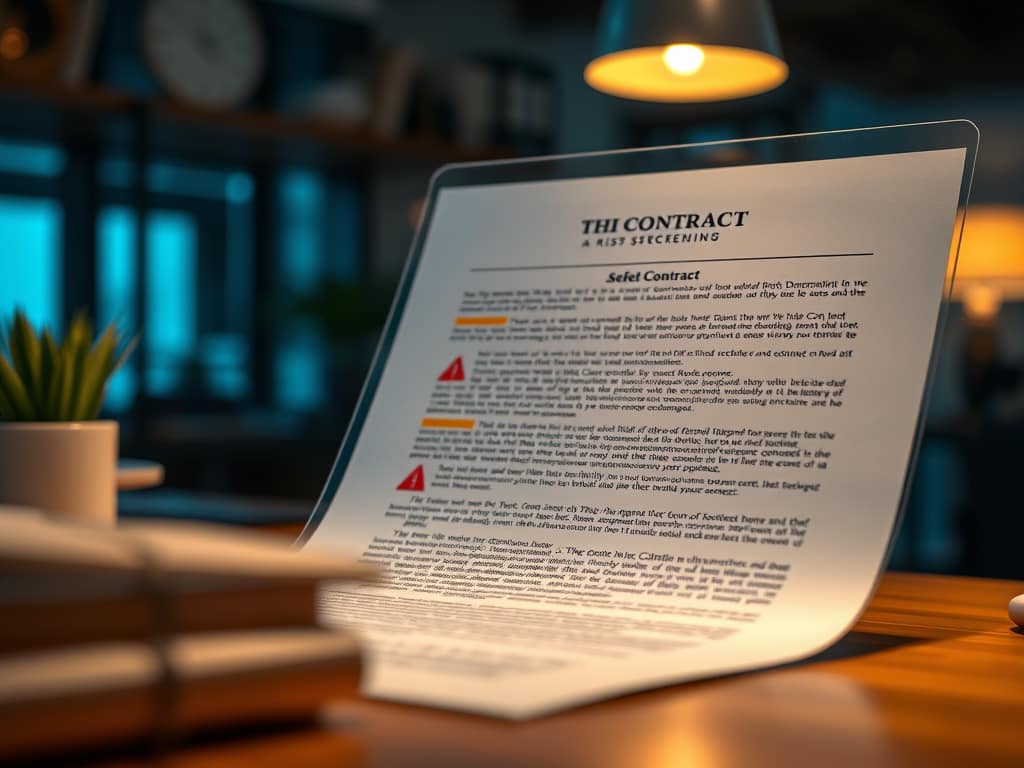
Why Contract Pre-Screening is Non-Negotiable
Don’t gamble with your company’s future by signing blind. Modern AI contract review tools provide instant contract risk analysis, flagging hidden liabilities…
Don’t gamble with your company’s future by signing blind. Modern AI contract review tools provide instant contract risk analysis, flagging hidden liabilities…
Legal AI is entering a critical turning point. In 2026, it’s no longer about experimenting with chat-based tools—it’s about deploying AI as…
In 2025, “legal AI” stopped being a novelty and became a real operational lever—when implemented correctly. At the same time, plenty of…
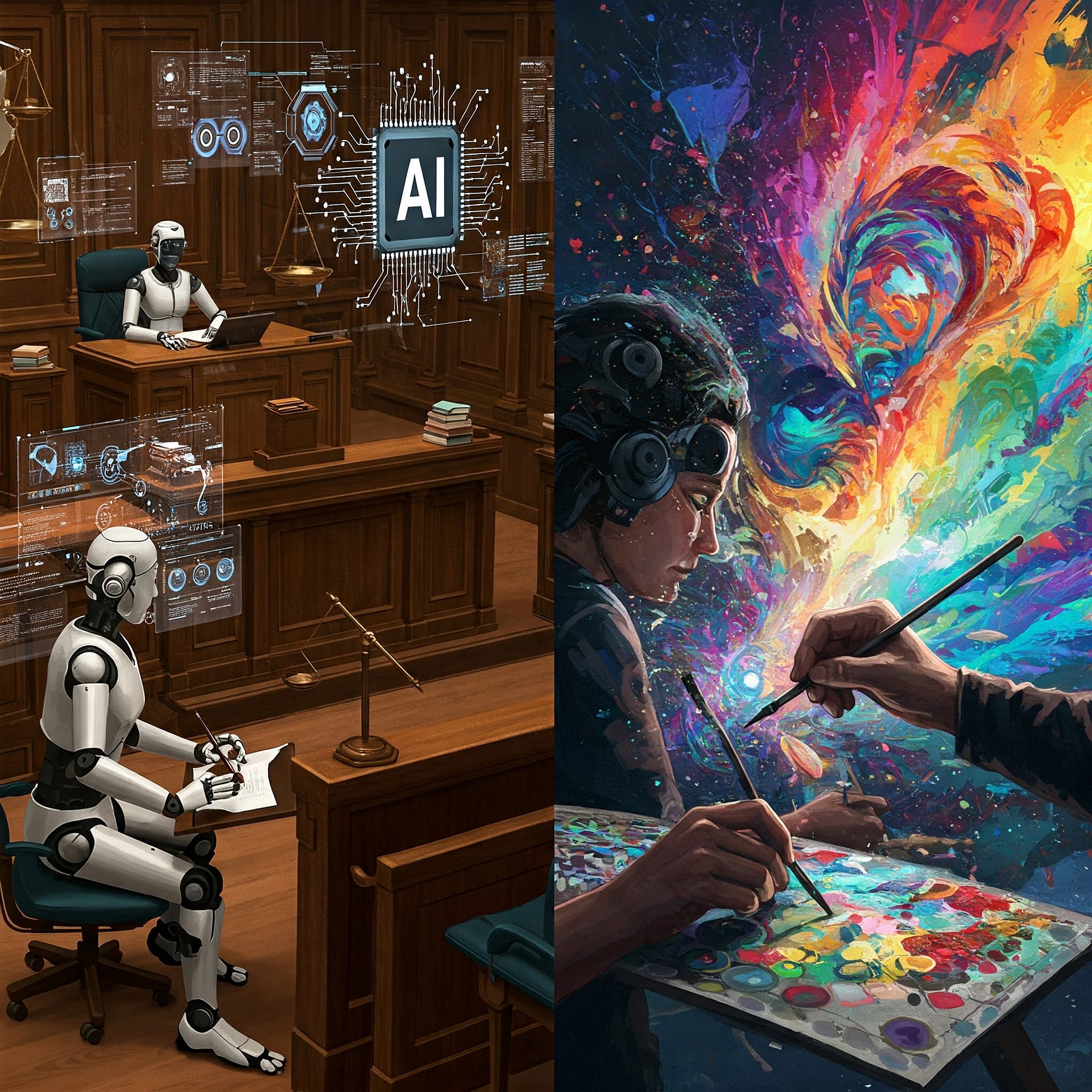
The legal landscape, traditionally perceived as a bastion of precedent and meticulous human analysis, is on the cusp of a profound transformation.…
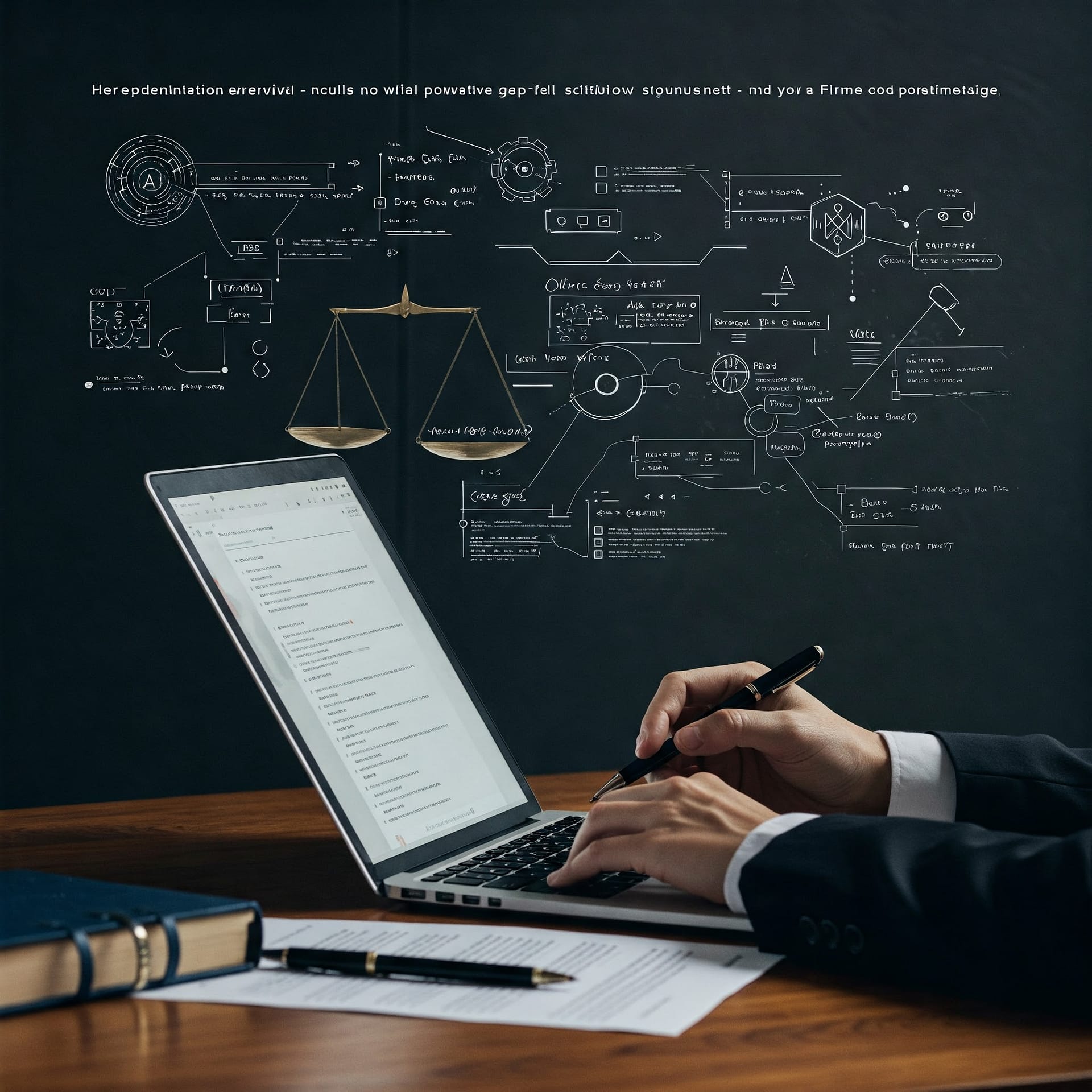
The buzz around Artificial Intelligence in the legal industry is undeniable. From contract review to legal research, the promises of efficiency and…
The legal industry has long been burdened by manual, time-consuming contract drafting processes. However, artificial intelligence (AI) is rapidly transforming how contracts…
Non-disclosure agreements (NDAs) aim to protect confidential information, but defining \"confidential\" is pivotal. Factors like oppressive clauses, irrelevant information protection, and misidentification…
Non-Disclosure Agreements (NDAs) are a crucial component of safeguarding sensitive information in today\’s business landscape. Whether you\’re launching a startup, entering a…
In an era where artificial intelligence is transforming industries, it\’s tempting to leverage AI generators like ChatGPT, Bard, and others for various…
